
Tax season is here. If you are running a profitable small business, one question has likely already crossed your mind: how much will you owe, and do you have enough set aside?
Tax planning is the practice of understanding your tax obligation throughout the year, making thoughtful decisions about spending and reinvestment, and ensuring you’re prepared at filing time. It’s not wealth management, and it doesn't begin in April. The purpose of tax planning is to be financially prepared for that obligation and to make decisions throughout the year that keep your taxable income as low as the tax code legitimately allows.
If your business is profitable, you will owe taxes. That is one of the costs of a successful business.
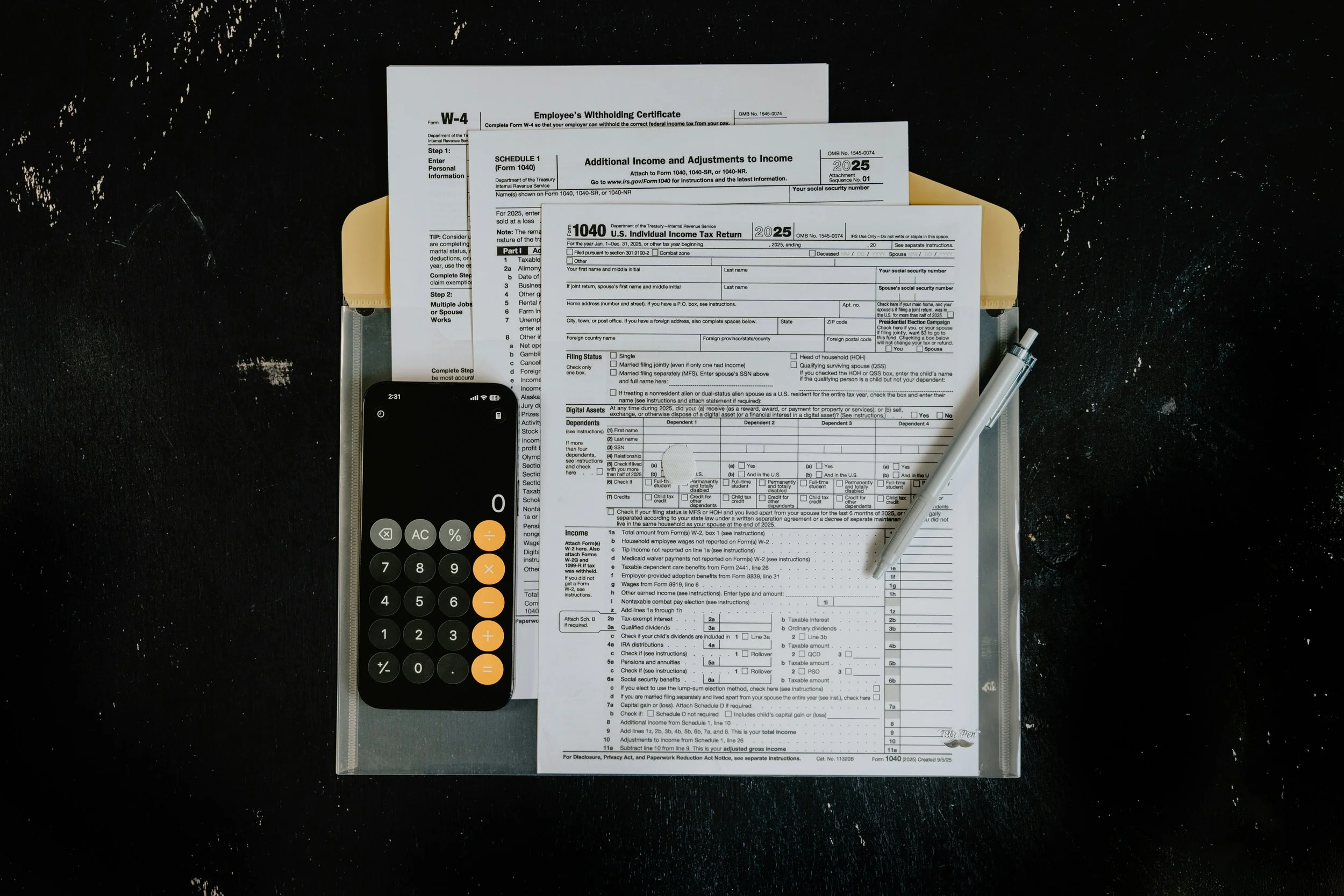
Your personal situation is part of your business
Small business taxes don’t exist in isolation from the rest of your financial life. The US tax code treats different types of income differently, which means your personal situation directly shapes your tax strategy, your estimated payment obligations, and your entity structure decisions.
The analysis looks different for a business owner whose company is the household's only source of income, or a business owner with a working spouse whose W-2 income affects the household's tax bracket, or for someone growing a side business alongside full-time employment.
A plan built for one is not the right fit for the others. This is why tax planning starts with a real conversation about your business and about you.
Setting aside what you owe: methodology matters
The uncertainty business owners feel about taxes typically comes down to one thing: not knowing what the bill will be, and not feeling confident the money will be there.
Cash flow planning is the foundation for resolving that. When you track the rhythm of money moving in and out of your business, you can build a system for allocating revenue before it gets spent. A dedicated tax account funded consistently throughout the year means the money is there when you need it.
One approach small business owners find effective is Profit First, developed by Mike Michalowicz. The approach structures how revenue is distributed: profit, taxes, and owner's pay are set aside first, and the business operates on what remains. It is one of several cash flow frameworks worth exploring with your accountant.
Strategic spending
One of the legitimate tools in tax planning is the timing of business purchases and reinvestment. Equipment, technology, and other qualified expenses can reduce taxable income when purchased at the right time. This is a real and valuable strategy.
The important boundary is this: spending money the business does not need, simply to lower a tax bill, costs more than it saves. Every dollar spent to avoid taxes is still a dollar out the door. The right question is not "what can I buy before December 31st?" It is "what does the business genuinely need, and is this the right time to invest in it?"
A clear budget keeps that boundary visible. If you haven’t built one yet, here's a good place to start
LLC or S-Corp: why the answer depends on your situation
How your business is structured for tax purposes is a consequential decision, and one that requires solid information specific to your situation.
An LLC treated as a pass-through entity and an S-Corporation each carry different tax implications:
An S-Corp can reduce self-employment taxes for business owners who pay themselves a reasonable salary. It also comes with payroll requirements, administrative obligations, and costs that may not be justified at every income level.
A pass-through LLC is simpler to operate but can result in higher self-employment tax as revenue grows.
There is no universally correct answer. The right structure depends on your income, your personal tax situation, your plans for the business, and the real cost of maintaining each option. This is a decision that deserves careful, individualized analysis, not a recommendation based on what worked for someone else.
A closer look at the numbers behind this decision is coming in a future article.
The bottom line
The decisions that shape your tax outcome are made throughout the year, not in the weeks before a filing deadline. Whether you’re thinking through your entity structure, building a system for setting aside funds, or making investment decisions with tax implications, the foundation is the same: a clear picture of your business and your personal financial goals, reviewed regularly.
If you’re not sure your current approach is working, that’s a good place to start the conversation.
Wondering which entity structure makes sense for your business, or whether your tax strategy is keeping pace with your growth? Schedule a conversation with Laura.